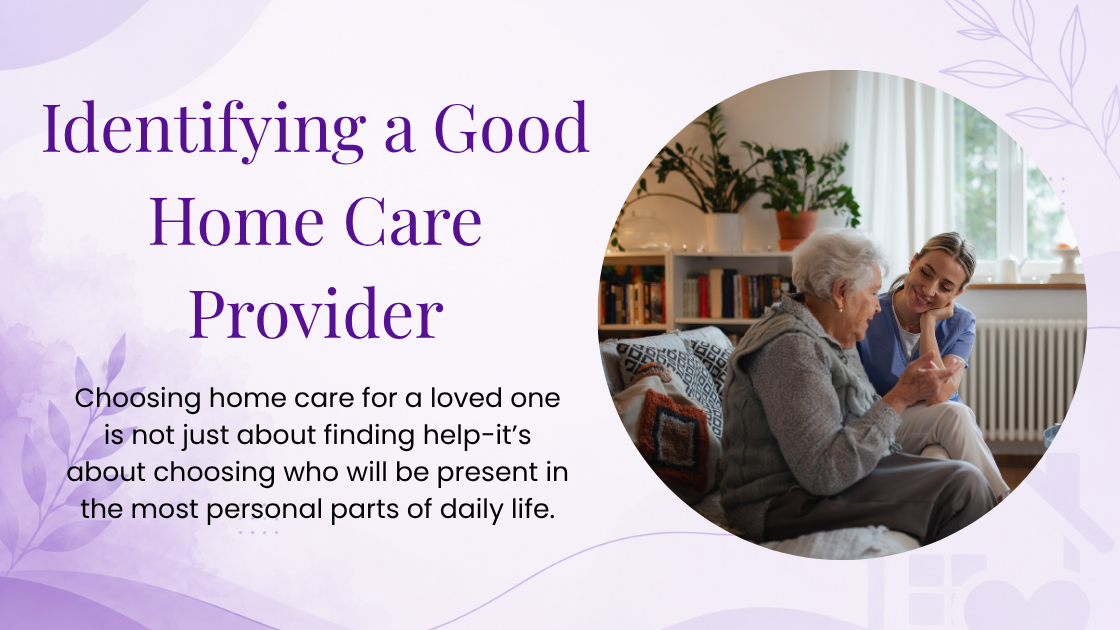




How to Know When It’s Time to Consider In-Home Care
Making the decision to bring care into your home is a big step. For many families, the thought of a loved one needing assistance can feel overwhelming. You may wonder if they truly need help, if you are making the right choice, or how to find someone you can trust. Many families ask, how to know when it’s time to consider in-home care?
The truth is, many families wait until a situation becomes urgent before exploring home care options. Recognizing the early signs that your loved one may benefit from support can help create a safer, more comfortable, and more peaceful experience for everyone.
At Bless Her Heart Home Care, we believe home care is not about taking away independence. It is about helping seniors and adults continue living safely and confidently in the place they love most, home.
Signs Your Loved One May Benefit From In-Home Care
Every person’s needs are different, but there are common signs that additional support may be helpful.
1. Changes in Personal Care or Daily Routines
You may notice that your loved one is struggling with tasks they once handled easily, such as:
- Bathing and grooming
- Getting dressed
- Preparing meals
- Managing household responsibilities
- Maintaining personal hygiene
These changes do not always happen suddenly. Sometimes they appear gradually, making them easy to overlook.
A little extra assistance with daily activities can help someone maintain dignity while making everyday life safer and less stressful.
2. Increased Risk of Falls or Mobility Challenges
Falls are one of the most common concerns among older adults. If your loved one is having difficulty walking, transferring, using stairs, or moving safely around the home, additional support may help prevent accidents.
A caregiver can provide assistance with mobility, encourage safe movement, and help create a safer home environment.
3. Forgetfulness or Concerns With Memory
Occasional forgetfulness can be a normal part of aging, but ongoing changes in memory may require additional attention.
Signs to watch for include:
- Forgetting important appointments
- Difficulty managing medications
- Repeating the same questions frequently
- Becoming confused in familiar places
- Changes in judgment or decision-making
For families caring for someone with Alzheimer’s disease or dementia, having experienced support can provide reassurance and reduce caregiver stress.
4. Family Caregivers Are Feeling Overwhelmed
Many families want to provide care themselves, and often they do everything they can for as long as possible. However, caregiving can become physically and emotionally exhausting.
If you find yourself constantly worried, missing work, feeling burned out, or struggling to balance your own responsibilities, it may be time to consider additional support.
Home care can provide relief while allowing family members to focus on spending meaningful time together instead of only managing daily tasks.
5. Your Loved One Wants to Stay at Home
For many seniors, home represents comfort, independence, and cherished memories. Moving to a different living environment is not always the right choice or the choice they want.
In-home care allows individuals to receive personalized assistance while remaining surrounded by familiar belongings, routines, and neighbors.
What Services Can In-Home Care Provide?
Home care can be customized based on each person’s needs. Services may include:
- Companionship and conversation
- Personal care assistance
- Meal preparation
- Light housekeeping
- Medication reminders
- Mobility assistance
- Respite care for family caregivers
- Alzheimer’s and dementia support
- Assistance after surgery or rehabilitation
The goal is to provide support where it is needed while helping each person maintain as much independence as possible.
Choosing the Right Home Care Agency in the Treasure Coast
Finding the right caregiver is a personal decision. Families should look for an agency that values communication, reliability, and compassionate care.
When choosing a home care provider, consider asking:
- Are caregivers employees or independent contractors?
- How are caregivers screened and trained?
- Does the agency provide ongoing supervision?
- Are services customized to each person’s needs?
- Does the agency take time to understand your family’s situation?
Ready to take the next step? Once you’ve recognized that it may be time to consider in-home care, the next important decision is choosing the right provider. Read our blog, “How to Identify a Good Home Care Agency in the Treasure Coast,” to learn what to look for, the questions to ask, and how to find compassionate, reliable care for your loved one.
How to Know It’s Time to Consider Home Care – You Don’t Have to Make This Decision Alone
Knowing when to seek help can be difficult, but starting the conversation early can make the transition much smoother.
Whether your loved one needs a few hours of companionship each week, assistance with daily activities, or more consistent support, the right care can make a meaningful difference.
If you are exploring home care options in Port St. Lucie, Stuart, or the surrounding Treasure Coast communities, Bless Her Heart Home Care is here to help answer your questions and guide your family through the process.
Contact us today to learn how personalized in-home care can help your loved one continue living safely and comfortably at home.